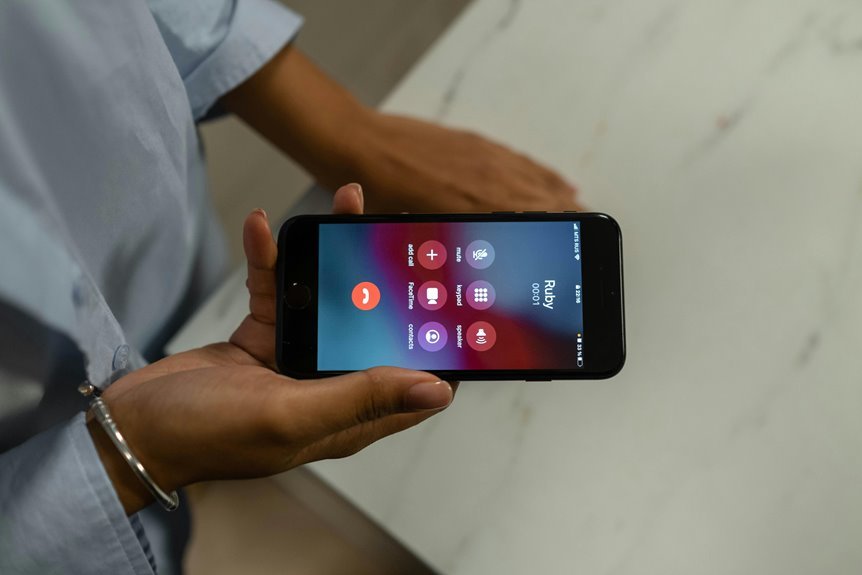
Digital Prism’s approach to “Unlocking Verified Caller Info” traces how trusted registries and carrier signals deliver verified caller data to devices. The system emphasizes origin, intent, and provenance while prioritizing privacy, transparency, and resilience. It relies on data minimization and auditable access to enable reliable screening and cleaner contacts. The promise is clear, but practical implications and safeguards require careful consideration before adopting any approach at scale. A closer look is warranted to understand potential trade-offs.
What Is Verified Caller Info and Why It Matters
Verified Caller Info refers to data that confirms who is calling and the legitimacy of the incoming call. It clarifies trust boundaries and reduces uncertainty in communication. A Verified caller provides origin, intent, and assurance, while Data provenance tracks origins and changes. This concept supports autonomy by enabling informed decisions and safeguarding privacy without implying control—only transparent, verifiable accuracy.
How Verified Data Gets to Your Phone Radius
How does verified data travel from source to the user’s device, and what safeguards shape its path? Verified data originates from trusted registries and carrier signals, traversing through secure networks to the device radius. It prioritizes caller identity while filtering anomalies, encrypting transit, and auditing access. The process emphasizes privacy, transparency, and resilience, ensuring verification remains accurate without compromising user autonomy or freedom.
Practical Ways to Use Verified Caller Info in Daily Life
Practical use of verified caller information can streamline daily routines by enabling quick, reliable decision-making about incoming calls. The approach emphasizes Verified caller status, enabling trusted identification at a glance. Users can map usage scenarios to skip spam and confirm legitimate contacts, while observing Privacy practices. Concrete benefits include reduced interruptions, improved call screening, and cleaner contact management for freedom-minded individuals.
Risks, Privacy, and Best Practices for Trusted Identification
From the prior discussion of practical uses, there is now a need to examine the risks, privacy implications, and best practices associated with trusted identification. The analysis highlights privacy risks inherent in verification systems and calls for disciplined governance, transparent data handling, and user consent.
Data best practices emphasize minimization, informed choice, robust access controls, and auditable processes, safeguarding autonomy and liberty.
Conclusion
Verified Caller Info offers a clearer picture of who is calling, aiding quick, informed decisions while upholding privacy. The system operates with data minimization, auditable access, and user consent, reducing spam and enhancing trust. Yet, potential exposure and misidentification remain risks, demanding cautious use and rigorous controls. In this landscape, safeguards are the compass and transparency the map, guiding users through a fog of unknown numbers toward reliable connections. Like a lighthouse, it signals clarity without surrendering autonomy.

 By
By